
WE NEED YOU! Would you like to be a tutor at the next edition of Complexity72h? Then you should apply to the call for tutors!
Deadline: January 20th, 2023.
More at: www.complexity72h.com
Networking the complexity community since 1999
Category: Announcements
WE NEED YOU! Would you like to be a tutor at the next edition of Complexity72h? Then you should apply to the call for tutors!
Deadline: January 20th, 2023.
More at: www.complexity72h.com
How much misinformation you are exposed to?
As part of our new paper in Nature Communications, we have build a web app and an API to measure misinformation from political elites on Twitter.
Give it a try! misinfoexpose.com
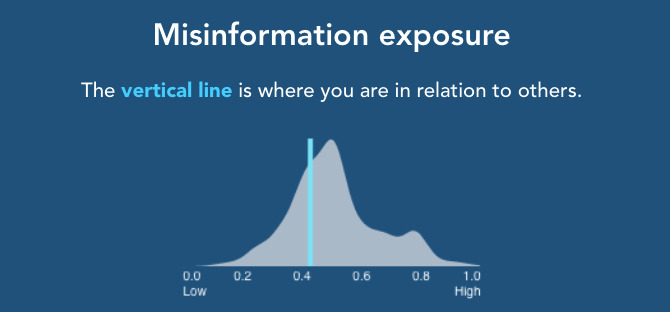
Find out how much misinformation you are exposed to.
Binghamton University’s Systems Science and Industrial Engineering Department is hiring to fill as many as six new faculty positions for Fall 2023! Areas relevant to complexity include:
* Systems Science/ Complex Systems/ Network Science (1 position)
* Computational Social Science/Biomedical Complexity/Epidemiology (1 position)
* Autonomous Systems (1 position)
* Energy Systems (1 position)
Please contact Hiroki Sayama (sayama@binghamton.edu) if interested.
More at: www.binghamton.edu

This year’s laureates in the Economic Sciences, Ben Bernanke, Douglas Diamond and Philip Dybvig, have significantly improved our understanding of the role of banks in the economy, particularly during financial crises. An important finding in their research is why avoiding bank collapses is vital.
Read the full article at: www.nobelprize.org
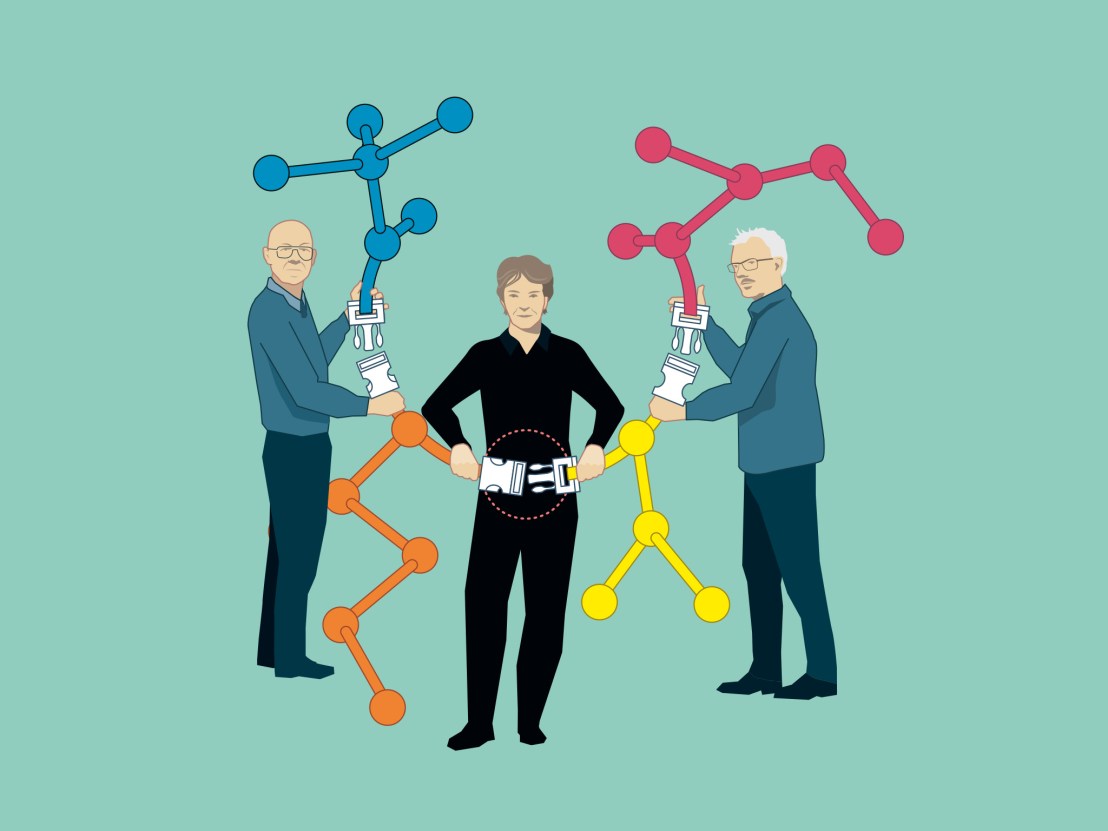
The Nobel Prize in Chemistry 2022 is about making difficult processes easier. Barry Sharpless and Morten Meldal have laid the foundation for a functional form of chemistry – click chemistry – in which molecular building blocks snap together quickly and efficiently. Carolyn Bertozzi has taken click chemistry to a new dimension and started utilising it in living organisms.
Read the full article at: www.nobelprize.org

