
Réka Albert
Jeremy Blackburn
Deepak Dhar
Mirta Galesic
Joaquín Goñi
Sarah Muldoon
Zoran Obradovic
Alessandro Vespingani
David Sloan Wilson
Watch at: vimeo.com
Networking the complexity community since 1999
Category: Talks
Réka Albert
Jeremy Blackburn
Deepak Dhar
Mirta Galesic
Joaquín Goñi
Sarah Muldoon
Zoran Obradovic
Alessandro Vespingani
David Sloan Wilson
Watch at: vimeo.com
“The Human in the Machine: navigating the myths and realities of AI towards a future where we shape technology responsibly”, Inaugural Lecture of Professor Taha Yasseri, Workday Professor of Technology and Society (2023), 01 April 2025, Faculty of Arts, Humanities, and Social Sciences.
Watch at: www.youtube.com
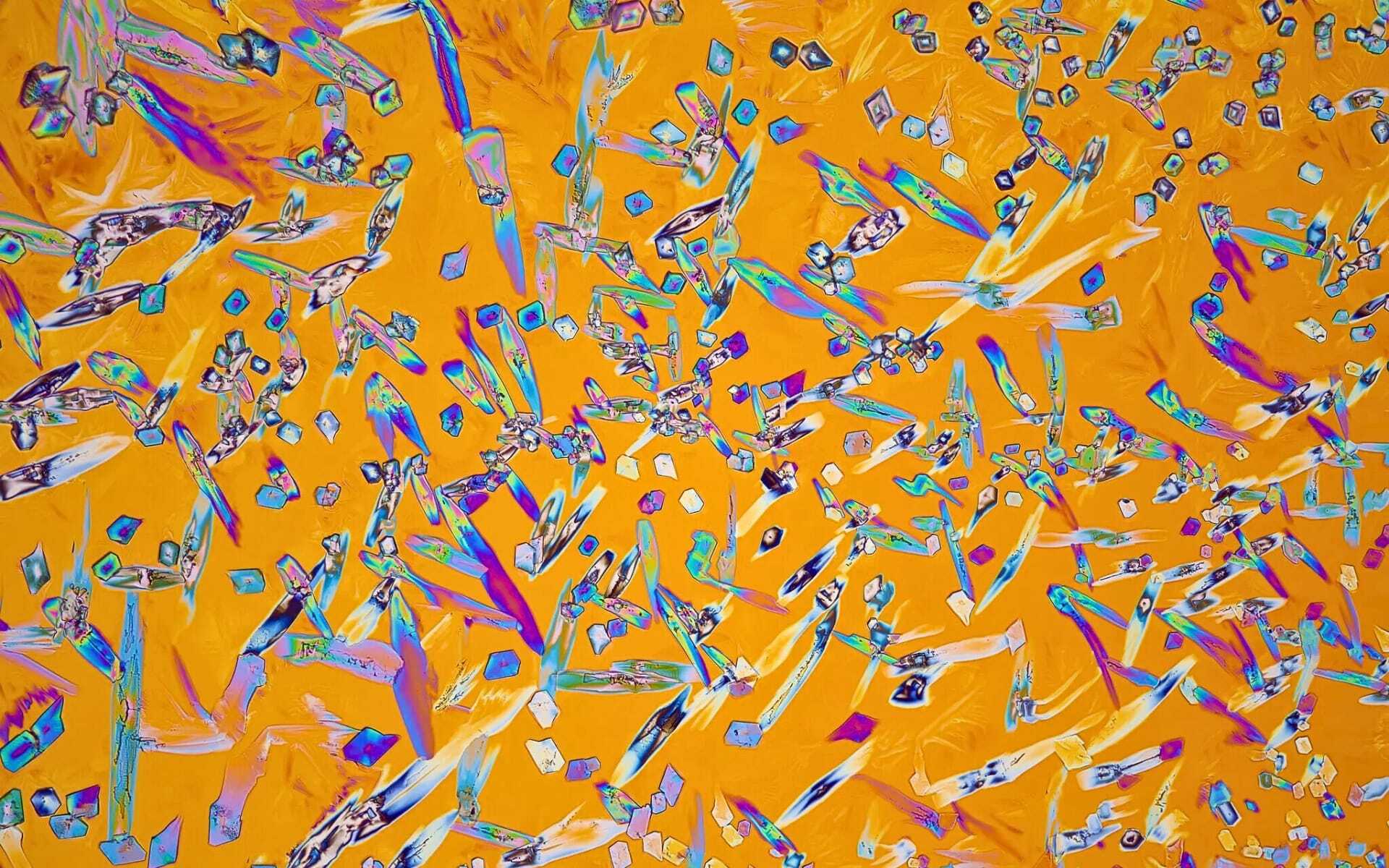
Physicist and astrobiologist Sara Imari Walker proposes a new paradigm for using physics to deepen our understanding of what we recognize as life. Assembly theory is a framework that uses the physics of molecular complexity to open a new path to identify where the threshold lies for life to arise from non-life, drawing in insights from new discoveries on the nature of historical contingency and time itself.
Watch/read at: longnow.org
Swarms in nature, including birds, social insects and cells, coordinate in huge numbers to achieve common goals. Their behaviours are self-organised, emerging from the interactions of every agent with their local environment. For the past 20 years, swarm robotics has taken inspiration from nature to make large numbers of robots work together to achieve common goals. With progress in swarm hardware and AI, the field is now ready to translate these swarms from laboratory to application. Join swarm engineering expert Sabine Hauert as she explores the mechanisms to make ‘swarms for people’, in applications ranging from nanomedicine to environmental monitoring and logistics. The next step is to make swarms easy to design, deploy, monitor, control, and validate towards making swarms that are, and should, be trusted. — Sabine Hauert is Professor of Swarm Engineering at University of Bristol. She leads a team of 20 researchers working on making swarms for people, and across scales, from nanorobots for cancer treatment, to larger robots for environmental monitoring, or logistics (https://hauertlab.com/). Before joining the University of Bristol, Sabine engineered swarms of nanoparticles for cancer treatment at MIT, and deployed swarms of flying robots at EPFL. She is on the board of directors of the Open Source Robotics Foundation and is Executive Trustee of non-profits robohub.org and aihub.org, which connect the robotics and AI communities to the public.
Watch at: www.youtube.com

